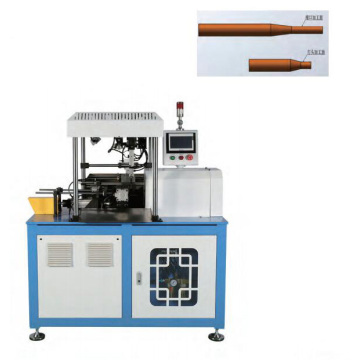
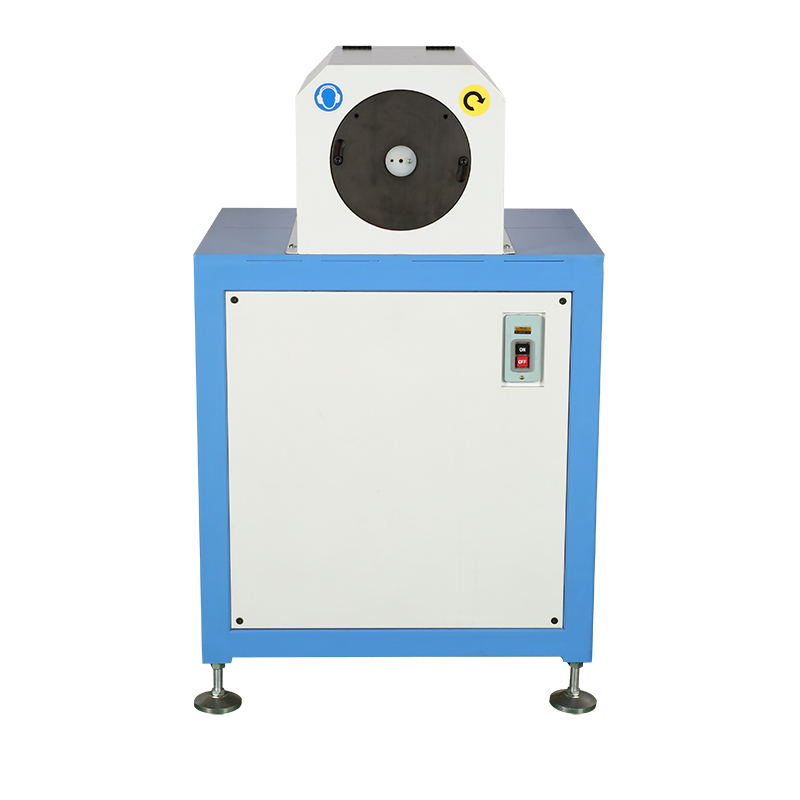
Pipe reducing machines are specialized equipment for adjusting metal pipe diameters, widely used in plumbing, automotive, and construction. They reshape pipes (copper, aluminum) via "mechanical extrusion + plastic deformation"—either by compressing pipe ends (external reducing) or expanding inner walls (internal reducing) to meet size-matching needs for pipe connections.
Common types include hydraulic pipe reducers and mechanical pipe reducers. Hydraulic models use 10-50MPa hydraulic pressure to push dies, ideal for thick-walled pipes (2-10mm), ensuring uniform diameter reduction (tolerance ≤0.1mm). Mechanical ones rely on gear-driven dies, suited for thin-walled pipes (0.5-2mm) such as copper refrigeration pipes, with fast processing speeds (10-20 pipes/min).
Key applications: 1) Plumbing: Reduces copper pipe ends to connect different-diameter pipes, avoiding leakage in water supply systems. 2) HVAC: Reshapes aluminum air-conditioning pipes to link condensers and evaporators, optimizing refrigerant circulation.
Advantages: High precision (diameter error <0.2mm) ensures tight pipe joints; no material waste (unlike cutting methods); and compatibility with various metals. Automated models integrate feeding systems, handling 500+ pipes/hour for mass production. Future trends focus on smart controls (touchscreen parameter adjustment) and eco-friendly designs (energy-saving motors), adapting to high-efficiency, low-consumption manufacturing demands.