AC Spot Welding Machine
(Total 5 Products)
-
-


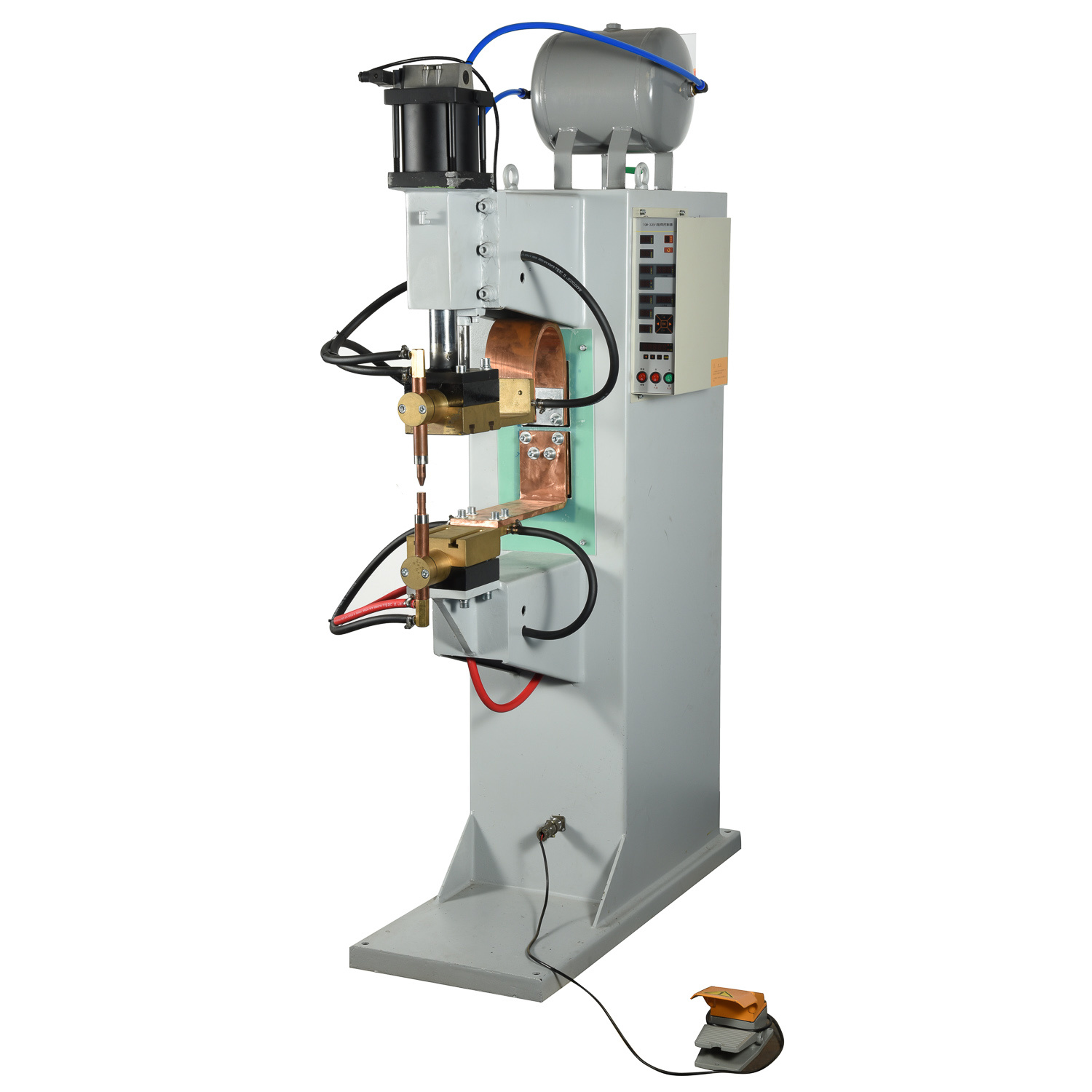
Metal Wire Pneumatic AC Spot Welding Machine
Contact Now
-
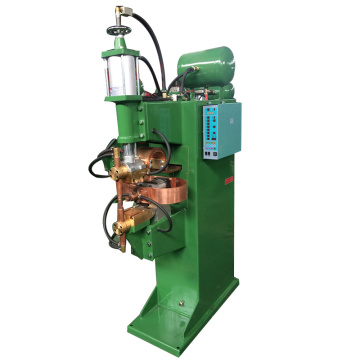
Pneumatic Multipoint T Type Spot Welder for Tube
Contact Now
-
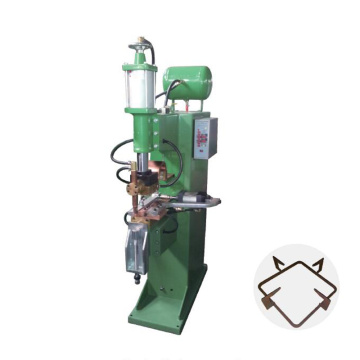
Vertical T Type Automatic Spot Welder Machine
Contact Now
-
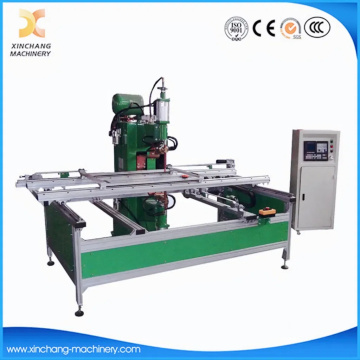
XY Axis Automatic Multi-Point Spot Welding Machine
Contact Now
-
Brand:xinchang
Min. Order:1
100KVA Custom Spot Welding Machine This Resistance Spot Welding Machine features a machine body built with thick steel sheet, which resists deformation effectively. Its secondary electric conduction parts adopt an upper insulation design, preventing...
-
Brand:xinchang
Min. Order:1
Metal Wire Pneumatic AC Spot Welding Machine Method named for welders:
Spot(projection) welders series: DTN-P-1(2)-L
DTN: Pneumatic AC mains frequency spot(projection) welders
P: Rated capacity
1: Lower arm can not be adjustable; 2: Lower arm can be...
-
Brand:xinchang
Min. Order:1
Pneumatic Multipoint T Type Spot Welder for Tube Usage: Be used for T type point welding of wire.
This Resistance Spot Welding Machine is categorized under equipment professionally built for such welding operations.
Method named for...
-
Brand:xinchang
Min. Order:1
Vertical T Type Automatic Spot Welder Machine Product Description Method named for welders:
Spot(projection) welders series: DTN-P-1(2)-L
DTN: Pneumatic AC mains frequency spot(projection) welders
P: Rated capacity
1: Lower arm can not be...
-
Brand:xinchang
Min. Order:1
CNC Spot Welding Machine: Precise numerical control, initiating a new era of spot welding automation
Advantages different from others:
This Automatic type equipment supports dual-direction automatic welding along X and Y axes, requiring no manual...
AC spot welding machines are widely used devices in metal fabrication, leveraging alternating current to create strong, localized welds. They are integral to industries like automotive, electronics, and appliance manufacturing, valued for their efficiency and reliability.
Working Principle: These machines operate by passing alternating current through overlapping metal workpieces clamped between two electrodes. The resistance at the contact points generates intense heat (typically 800–1500°C), melting the metal surfaces. Simultaneous pressure from the electrodes fuses the molten areas, forming a solid weld nugget as the current stops and the metal cools.
Key Components: A typical AC Spot Welder includes a transformer to convert high-voltage AC to low-voltage, high-current output, copper or copper-alloy electrodes for conductivity and pressure application, a clamping mechanism, and a control panel to adjust parameters like weld time, current intensity, and pressure. Water cooling systems are often integrated to prevent electrode overheating during prolonged use.
Types and Applications: They range from portable hand-held units for small repairs to large automated systems in production lines. Common applications include joining sheet metal in car bodies, assembling electrical components, and manufacturing metal furniture. Their ability to create quick, clean welds without filler materials makes them ideal for high-volume production.
Technical Advantages: AC spot welders offer fast cycle times (often under a second per weld), consistent results, and low operational costs. They are energy-efficient compared to other welding methods and require minimal operator training. The simplicity of their design also ensures easy maintenance and durability.
Considerations: While highly effective for thin to medium-gauge conductive metals (steel, aluminum), they are less suitable for thick materials or non-conductive alloys. Proper electrode maintenance is crucial to ensure weld quality, as worn electrodes can cause weak joints or inconsistent heating.
AC spot welding machines are foundational equipment in industrial fabrication, specializing in creating precise, high - strength welds between overlapping metal sheets. These machines operate by delivering an alternating current (AC) through electrodes, which clamp the workpieces together. The resistance at the contact point generates intense heat, melting the metal and forming a weld nugget when pressure is applied.