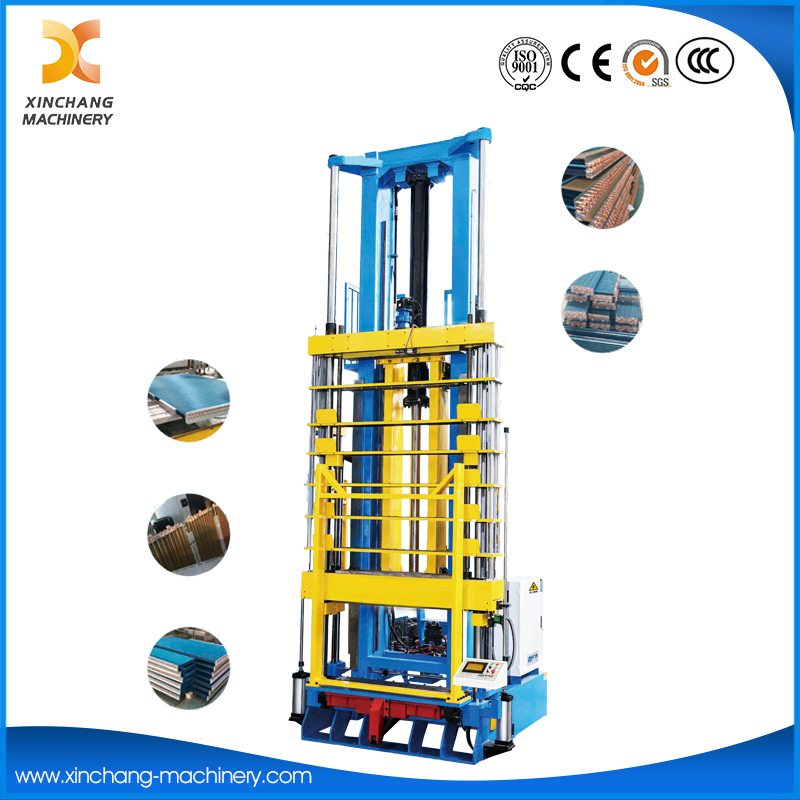
Condenser and evaporator machines are core heat exchange components essential to refrigeration, air conditioning, and industrial thermal management systems. As complementary counterparts, they work together to transfer heat efficiently, enabling temperature regulation across countless applications—from household appliances to large-scale industrial processes. These machines rely on the phase change of refrigerants to either absorb or release heat, forming the backbone of cooling and heat recovery systems worldwide.
Evaporators function as the "cold side" of heat exchange systems, designed to absorb heat from the surrounding medium (air, water, or industrial fluids). Low-pressure liquid refrigerant flows through their coils, boiling and vaporizing as it absorbs thermal energy, which creates the cooling effect used in air conditioners, refrigerators, and process cooling equipment. Common types include finned-tube, plate, and shell-and-tube evaporators, each adapted to specific space and efficiency requirements.
Condensers perform the opposite role as the "hot side," releasing the heat absorbed by the evaporator into the external environment. High-pressure refrigerant vapor from the compressor condenses back into a liquid within condenser coils, dissipating heat via air, water, or evaporative cooling. They are categorized into air-cooled, water-cooled, and evaporative types, with applications ranging from residential AC units to power plants and chemical processing facilities.
Together, these machines ensure efficient, continuous heat transfer, supporting industries such as HVAC, food preservation, pharmaceuticals, and petrochemicals. Their versatile design and adaptability make them indispensable for maintaining optimal temperatures, improving energy efficiency, and enabling sustainable operations across diverse sectors.