A
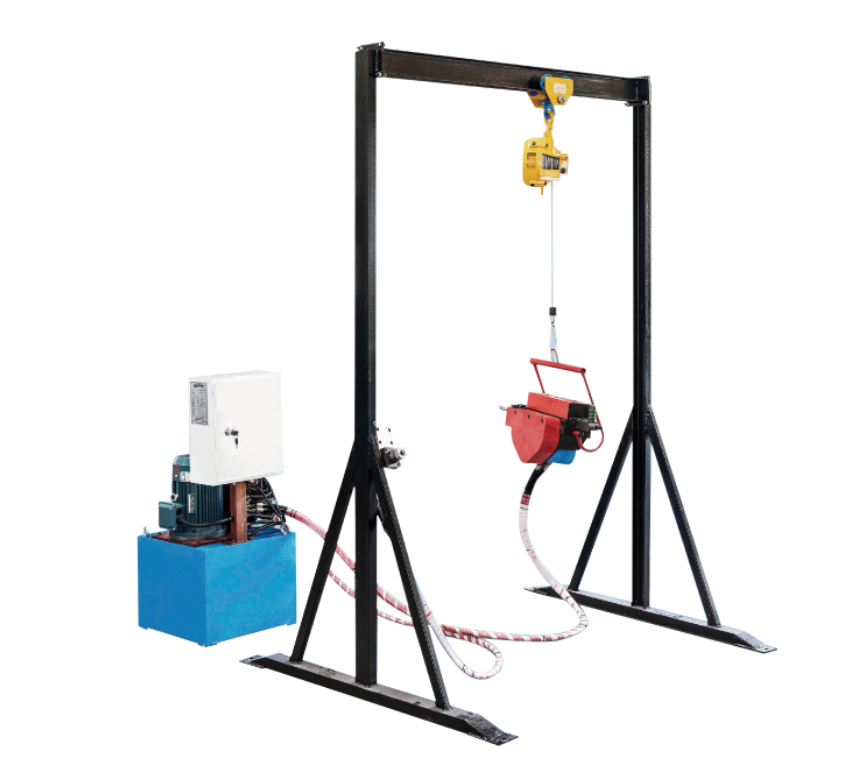
Potable Expander is a lightweight, portable device engineered to expand, materials (metals) in on-site, mobile, or space-constrained scenarios. Unlike fixed industrial expanders, it prioritizes portability—often handheld or wheeled for easy transport—making it essential for field repairs, small-scale workshops, and jobs where moving workpieces to stationary machines is unfeasible.
Core Design & Working Principle
Its design balances portability and functionality, with key components tailored for mobility:
Lightweight Build: Constructed from aluminum or high-strength plastic (weight: 2–15kg), with ergonomic handles for handheld models or foldable wheeled bases (for heavier versions, up to 25kg) that fit in service bags or van storage.
Power Options:
Manual: Relies on lever/crank systems—users apply force to drive expansion, ideal for low-force tasks.
Battery-Powered: Equipped with rechargeable lithium-ion batteries (runtime: 1–3 hours), delivering controlled force (1–30kN) via a small motor, with digital displays for pressure/expansion settings (±0.2mm tolerance).
Pneumatic: Works with portable air compressors (common in automotive repair) for medium-force jobs, avoiding battery reliance.
Expansion Mechanism: Uses interchangeable jaws (flat, curved, toothed) or expanding mandrels. Manual models use gear-driven jaws; powered types use motorized pistons to push jaws outward, expanding materials uniformly.
Safety Features: Includes overload sensors (to prevent material damage) and non-slip grips (for handheld use), critical for stable operation in uneven field conditions.
Key Advantages
Mobility First: Handheld models weigh as little as 2kg—easy to carry up ladders (e.g., construction site repairs) or into tight spaces (e.g., under vehicle dashboards). Wheeled versions fold flat for transport, no dedicated storage space needed.
Quick Deployment: Sets up in 2–5 minutes—attach the right jaw, power on (if powered), and start. No complex wiring or installation, cutting downtime for urgent repairs.
Versatile Force: Manual models handle delicate tasks; battery/pneumatic types tackle light industrial work.
Cost-Effective: Lower upfront cost than fixed expanders, suitable for small businesses, independent technicians, or teams needing a backup mobile tool.
Operational & Safety Tips
Material Match: Check the expander’s max diameter (5–100mm) and force rating against the material—e.g., avoid using high-force settings on thin plastic (risk of cracking).
Jaw Choice: Toothed jaws for metal (secure grip), non-marring jaws for painted/plastic parts (prevents scratches).
Power Care: For battery models, charge fully before use; for pneumatic types, check air hose leaks to avoid pressure loss.
Safety Gear: Wear gloves, safety glasses, and (for metal work) ear protection—metal shavings or sudden jaw movement may cause injury.
Maintenance Guidelines
Clean jaws after each use with a brush to remove debris; wipe the body with a damp cloth to prevent dust buildup.
Lubricate moving parts (jaw hinges, gear systems) monthly with light machine oil.
For battery models, store batteries in cool, dry places; replace worn jaws or hoses promptly to maintain precision.
In summary, the potable expander fills the gap between heavy industrial tools and manual devices, offering mobility, speed, and versatility for on-the-go material expansion—making it a must-have for technicians, repair teams, and small workshops prioritizing flexibility.