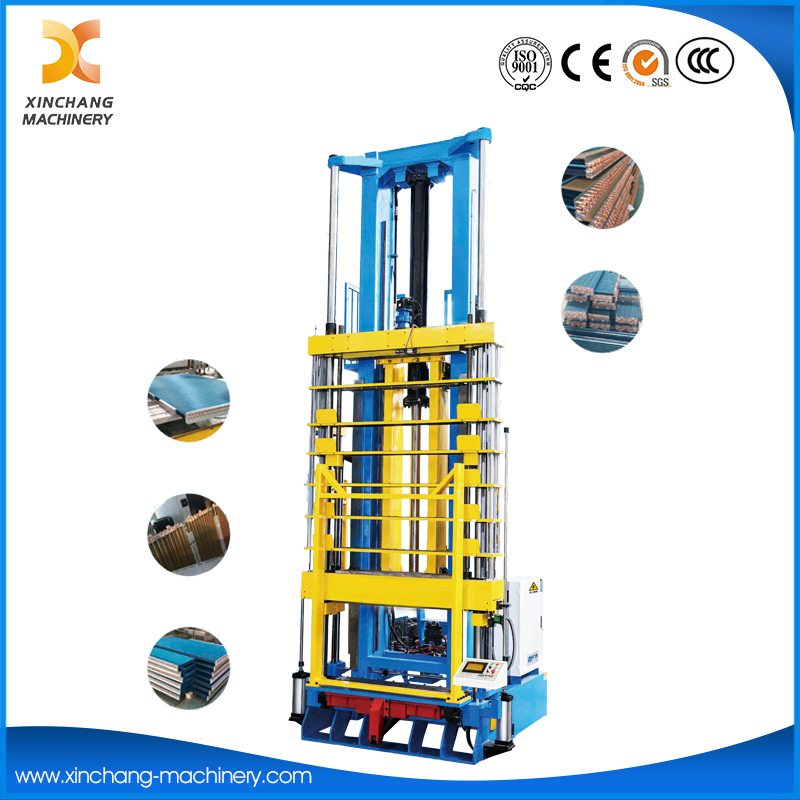
Heat exchanger equipment is the core component of air conditioning systems, responsible for efficiently transferring thermal energy between different fluid media without direct contact, which is essential for achieving cooling, heating and energy-saving effects of air conditioners. Widely used in residential, commercial and industrial air conditioning systems, these devices operate based on the basic principle of thermodynamics, guiding heat flow from a warmer medium to a cooler one to maintain a comfortable indoor environment.
Common types of air conditioner heat exchangers include finned tube heat exchangers, plate heat exchangers, microchannel heat exchangers and copper coil heat exchangers. Finned tube heat exchangers, the most widely used type, consist of thin metal fins attached to tubes, maximizing heat transfer surface area and ensuring efficient heat exchange between refrigerant and air. Plate heat exchangers use corrugated metal plates to create channels for fluid flow, featuring compact structure and high efficiency, suitable for mini-split air conditioners.
Microchannel heat exchangers, an advanced type, adopt aluminum flat tubes with multiple tiny channels, realizing lightweight, small size and low refrigerant consumption. In air conditioning systems, heat exchangers mainly exist as evaporator coils (indoor) and condenser coils (outdoor), completing the cycle of absorbing indoor heat and releasing it outdoors. Proper maintenance of these equipment, such as regular cleaning and leak inspection, can extend service life and ensure stable energy efficiency, making them indispensable for modern air conditioning systems.