A
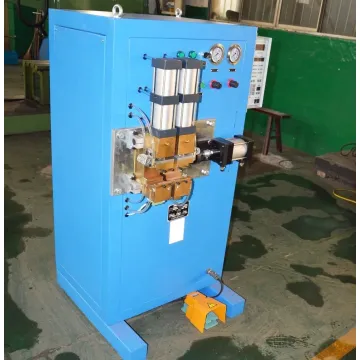
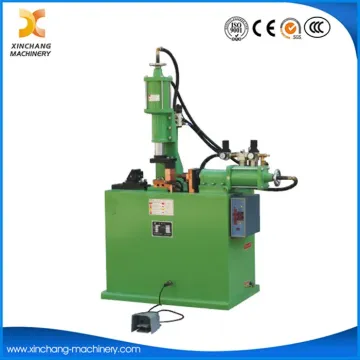
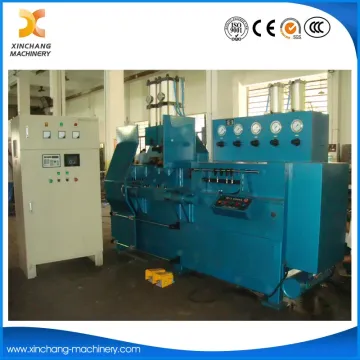
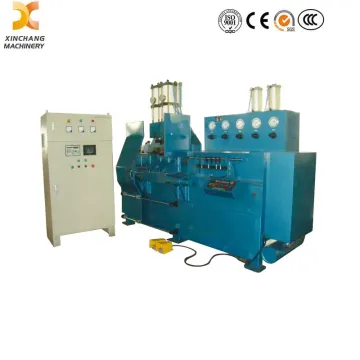
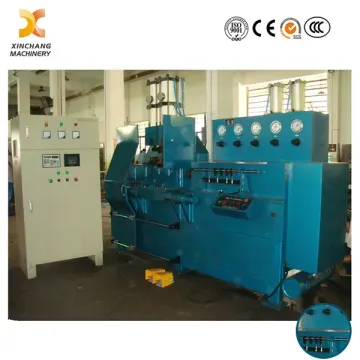
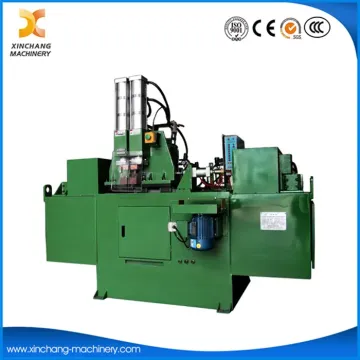
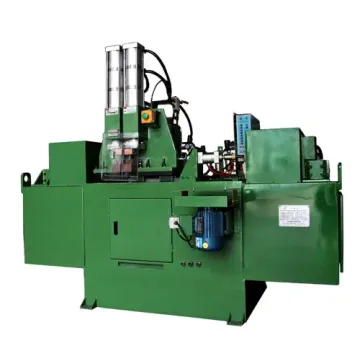
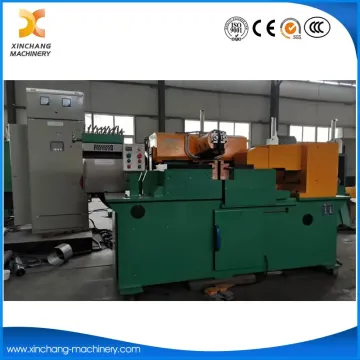
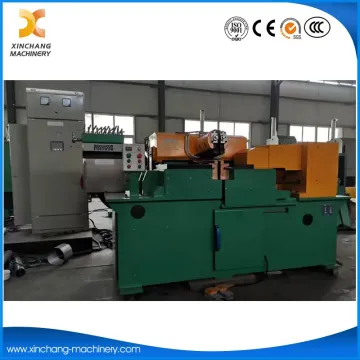
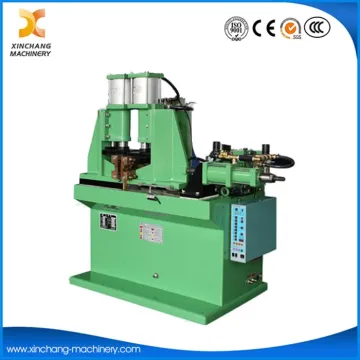
Butt Welding Machine is a specialized tool used to join two workpieces (typically metal, thermoplastic pipes/sheets) along their flat, opposing ends (butt joints) through heat, pressure, or both. It eliminates the need for additional fillers, creating strong, leak-resistant bonds critical in construction, manufacturing, and plumbing.
There are two primary types: thermal butt welders and resistance butt welders. Thermal models heat the workpieces’ ends with a hot plate until molten, then press them together to fuse as they cool. Resistance welders (for metals) pass an electric current through the joint, generating heat via electrical resistance, while applying pressure to forge the bond—ideal for steel, aluminum, and copper.
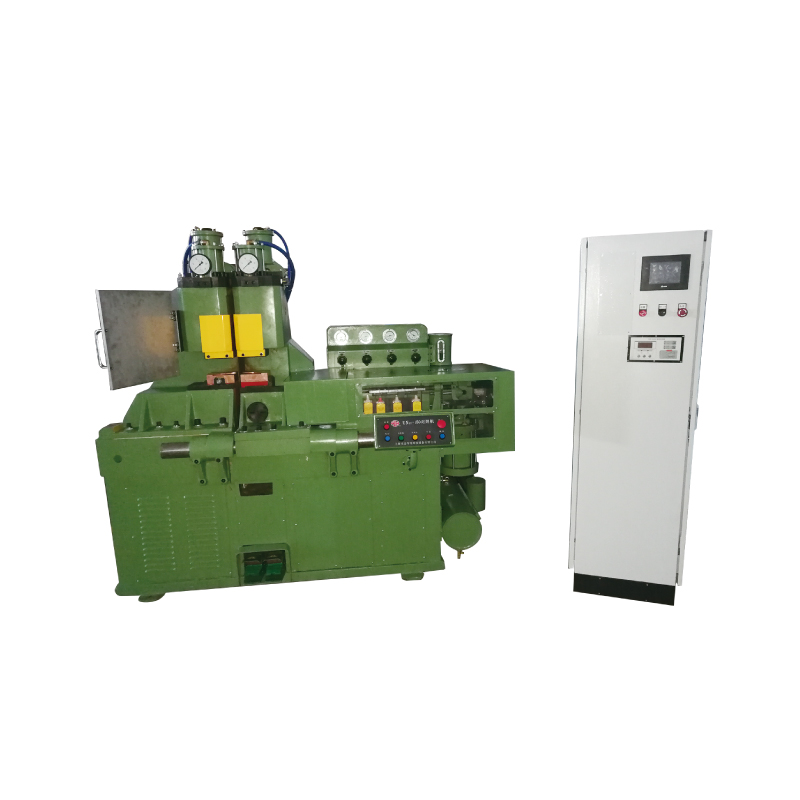
Key components include clamping jaws (to secure workpieces), a heating element (hot plate or electrode), a pressure application system (hydraulic, pneumatic, or manual), and temperature/pressure controls for precision. Modern units often feature digital displays for consistent parameter setting, reducing human error.
Applications span industries: plumbing uses butt welders for metal pipes; automotive manufacturing joins metal components; construction fuses steel rebars or structural beams. Its advantages include high joint strength, cost-efficiency (no fillers), and suitability for both small-scale repairs and large-scale production. Proper operation requires material compatibility checks and adherence to temperature/pressure guidelines to ensure joint integrity.