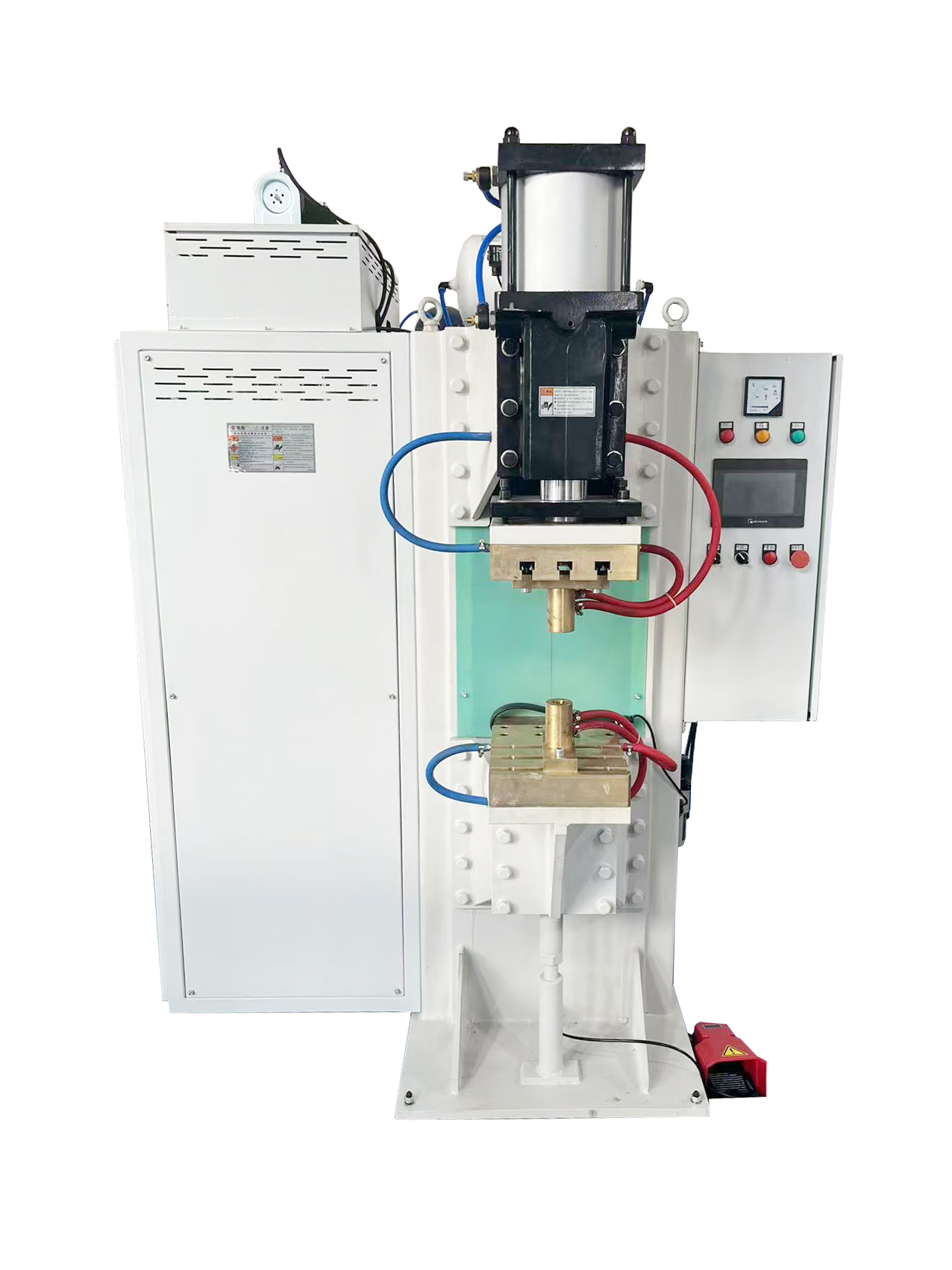
The Home Appliance Industry encompasses the design, manufacturing, distribution, and sale of electrical and mechanical devices used in households to enhance daily living convenience, comfort, and efficiency. As a pillar of the global consumer goods sector, it serves essential needs from food preservation to climate control, evolving continuously with technological advancements and changing consumer demands.
Product Categories
Major categories include large appliances (white goods) like refrigerators, washing machines, air conditioners, and ovens; small appliances (brown goods) such as microwaves, blenders, and vacuum cleaners; and consumer electronics integrated with home functions, including smart TVs and robotic vacuum cleaners. Specialized appliances cater to niche needs like air purifiers, humidifiers, and kitchen gadgets, offering diverse solutions for modern lifestyles.
Production and Supply Chain
Manufacturing involves precision engineering, component sourcing, and assembly line production. Key components include motors, compressors, circuit boards, and sensors, often supplied by specialized vendors. Global supply chains connect raw material providers, component manufacturers, and final assemblers, with production hubs concentrated in regions like Asia, Europe, and North America.
Market Dynamics
Driven by urbanization, rising disposable incomes, and household formation, the industry sees steady growth in emerging markets. Replacement demand in mature markets fuels innovation, with consumers seeking energy efficiency, smart connectivity, and sustainable designs. E-commerce channels have transformed distribution, enabling direct-to-consumer sales and personalized shopping experiences alongside traditional retail networks.
Industry Advantages
Technological innovation is a core strength, with continuous R&D leading to energy-saving appliances (reducing electricity use by 20-50%), smart features enabling remote control via smartphones, and improved durability extending product lifespans. Economies of scale lower production costs, making appliances accessible to broader consumer groups. Standardization across regions ensures product compatibility and safety compliance.
Development Trends
Sustainability is a key focus, with manufacturers adopting eco-friendly materials, energy-efficient technologies, and recyclable designs to reduce environmental impact. Smart home integration allows appliances to connect via IoT, enabling automated operations and data-driven optimization. Health-oriented features like UV sterilization in washing machines and air purification systems are gaining prominence. Personalization through modular designs and customizable functions caters to diverse consumer preferences, shaping the future of home living.